Thinking about transforming your garden but unsure where to start? A licensed landscape architect can turn your vision into reality—whether it’s sustainable landscaping. From property grading to permeable paving, these professionals handle it all.
- Choose a local landscape architect near me for tailored garden plans
- Ensure they follow HOA guidelines and use rain gardens
With a landscape architecture degree, a licensed landscape architect brings both technical skill to every project—big or small, residential or commercial.
The Role of a Landscape Architect
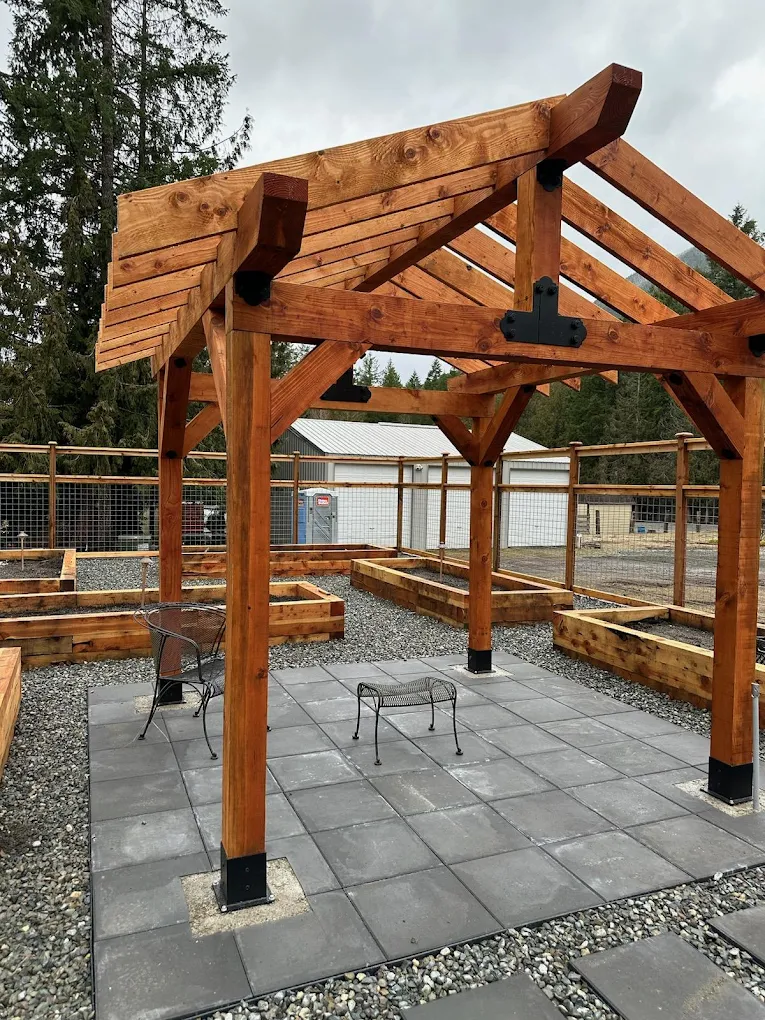
Site Analysis and Planning
Carrying out a thorough terrain review is the first step in any successful outdoor space design. A ASLA member examines drainage patterns to guide erosion control decisions. They also account for local HOA guidelines to ensure smooth permitting.
- Record existing trees, slopes, and utilities before drafting
- Locate problem areas like sun shadows
- Integrate topographic surveys for detailed site planning
Designing Sustainable Outdoor Spaces
Environmentally responsible planning goes beyond plant selection—it’s about long-term performance. A skilled ASLA member incorporates xeriscaping to support local ecology. These methods enhance biodiversity while increasing property value.
- Include bioswales for natural drainage
- Choose native species to reduce irrigation
- Plan with porous concrete to reduce erosion
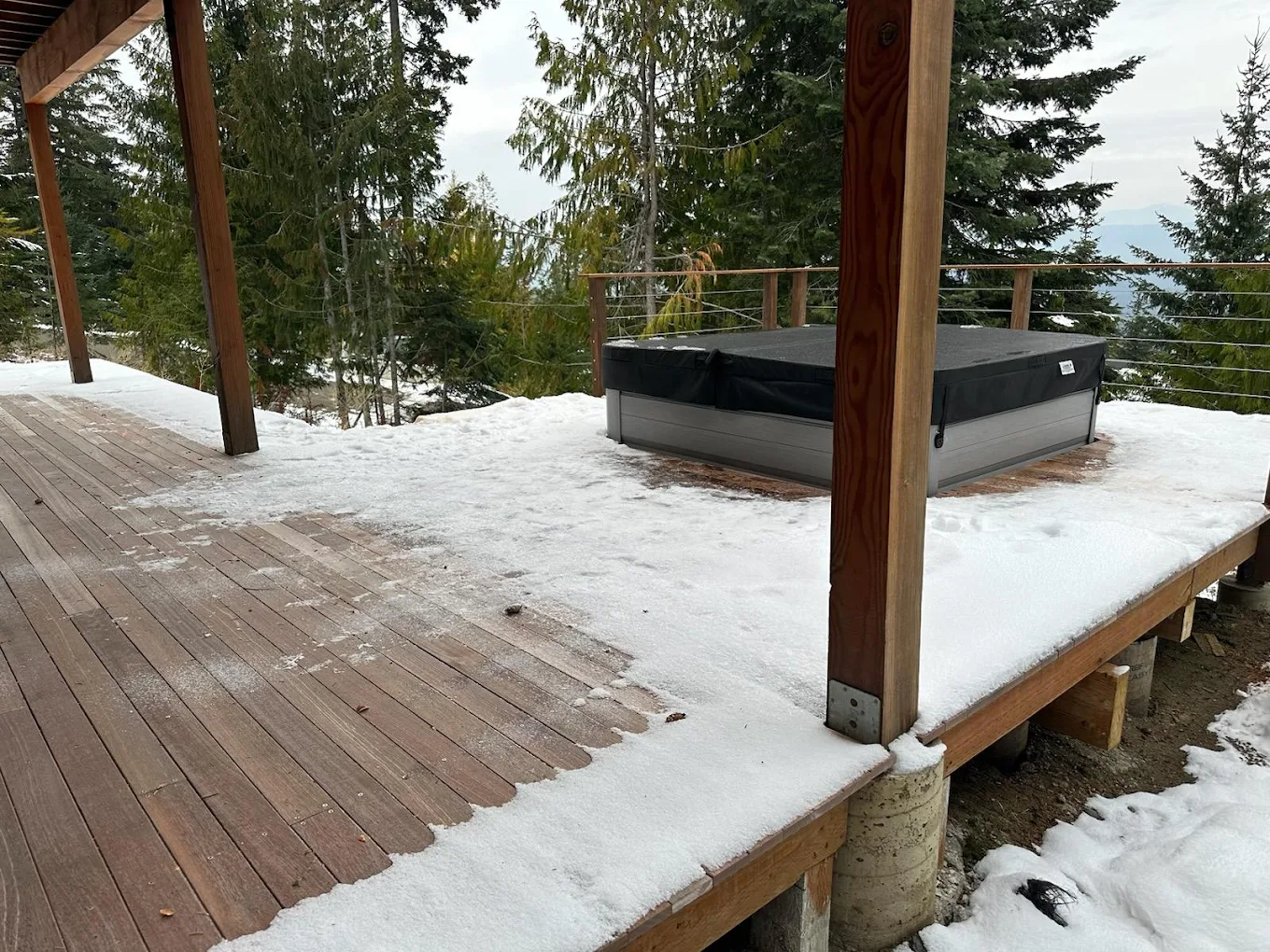
Working Alongside Build Teams
Smooth project execution depends on open communication between the landscape architect and subcontractors. The architect coordinates the build to copyright design consistency. This collaboration helps prevent errors without compromising budget limits.
Creating Construction Documentation
Technical construction documents are vital for turning vision boards into physical spaces. A degree-holding designer produces specifications that meet contractor needs. These blueprints guide lighting layout, ensuring every detail is correctly installed.
Finding a Qualified Landscape Expert
Picking the Ideal Design Partner
Securing the perfect local landscape architect near me starts with outlining your timeline expectations. Look for a experienced professional with a relevant portfolio in sustainable projects. Examine their use of native plants to ensure eco-awareness.
Questions to Ask Before Hiring
In preparation for signing a contract, probe potential certified professionals about their client involvement. Obtain examples of past work in property types. Discuss how they handle property grading, and whether they offer modular solutions. These questions help you avoid costly mistakes.
Ensuring You’re Hiring a Legit Expert
Not any yard stylist is a licensed landscape architect. Only a state-registered professional can certify plans for large-scale developments. Validate their license status through your regulatory agency. This move protects you from uninsured providers and ensures legal results.
Locating Nearby Design Professionals
Searching for a nearby outdoor design pro increases the odds of regulation-compliant results. Regional professionals understand HOA guidelines better than distant firms. Leverage online directories, home shows to shortlist top outdoor space designers in your area.
Landscape Architecture vs. Landscape Design
What Sets Architects Apart
Licensed professionals typically hold a master’s in planning and must pass the professional assessment. This regulated education covers grading. In contrast, yard artists may be without formal training or engineering oversight, limiting their scope.
- Only a licensed landscape architect can sign off on grading plans
- Yard stylists often focus on small residential projects
- Architects are trained in safety aspects of site development
Landscape Architect vs. Designer
Even though both landscape architects shape commercial sites, their roles differ. A ASLA member handles complex grading. A landscape designer may excel in softscape design. Recognize the difference to engage the appropriate pro for your vision.
Choosing Between Architect and Designer
Need a major renovation? Bring in a design-build firm. For plant-focused updates like mulch layouts, a creative planner this hyperlink may suffice. Needing stormwater systems almost always require a licensed expert to ensure compliance.
Legal Requirements for Landscape Practice
Certification for designers varies by region. Some states mandate a degree to use the title “design professional.” Others tolerate unlicensed designers for small projects. Without fail confirm your local regulations before hiring to avoid fines.
Common Landscape Projects and Services
Residential Backyard Transformations
Upgrading a backyard is one of the frequent services from design-build firms. From hardscape design to perennial beds, they blend durability. Whether you want low-maintenance landscaping, a pro can reclaim your outdoor square footage.
- Build multi-use zones for relaxing
- Integrate outdoor lighting
- Choose sustainable materials
Designing for Businesses and Institutions
Commercial landscape architecture requires code-compliant solutions. A licensed landscape architect leads stormwater management for offices. They ensure erosion control while enhancing curb appeal through permeable paving.
Sustainable Stormwater Solutions
Stormwater gardens are effective tools for water purification. A certified professional designs them to filter runoff using permeable soils. These systems support low-impact development while reducing strain on local waterways.
- Locate rain gardens in runoff paths
- Plant water-tolerant species
- Create for peak rainfall
Outdoor Living Design
Backyard living areas turns underused yards into functional extensions. A landscape architect integrates fireplaces with seamless transitions from indoors. They also address drainage solutions, ensuring comfort and low maintenance. Whether you want a luxurious vibe, expert design makes it affordable.
Pricing Insights and Financial Planning
Average Fees and Pricing Models
Estimating the rate of hiring a design-build firm depends on property size. Most charge per-square-foot pricing, with averages ranging from $100–$250 per hour or 5–15% of total hardscape design costs. Private yard projects often start around $3,000 for basic plans.
- Evaluate hourly pricing before signing
- Inquire if the design costs include site visits
- Consult an designer with bundled services for cost transparency
What Drives Up or Lowers Your Design Budget
Several factors affect your final bill, including site topography. A complex multi-level hardscape will demand more labor, materials, and engineering than a simple garden design. Sustainable landscaping may have higher upfront costs but offer long-term savings.
- Luxury stone work elevate costs significantly
- Stormwater management are necessary in sloped yards and add to the budget
- Design-build firms may offer bundled pricing
Budget-Friendly Design Strategies
Designing a functional yard doesn’t require breaking the bank. Focus on phased implementation to spread costs over time. Prioritize drought-tolerant plants and repurpose existing hardscapes when possible. A licensed landscape architect can help you enhance your budget with smart material selection.
Incorporating permeable paving reduces long-term upkeep and installation costs. Consider owner-led plantings while hiring experts for structural elements like retaining walls.
Ensuring Transparent Pricing from Pros
Get precise estimates by providing your local landscape architect near me with detailed goals. A site visit, survey, and clear scope prevent costly surprises. Always ask for itemized bids that separate construction costs. Avoid vague quotes—certified professionals typically offer the most realistic projections.
- Ensure that storm damage fixes aren’t hidden cost risks
- Require at least several bids from ASLA-affiliated pros
- Clarify what happens if costs go over the initial estimate
Sustainability and Environmental Impact
Choosing Region-Appropriate Landscape Elements
Planting indigenous vegetation reduces water use, supports pollinators, and minimizes maintenance. These species thrive in your climate without pesticides. Pair them with recycled pavers to further lower your environmental footprint. A licensed landscape architect can design a resilient, eco-friendly yard.
- Local grasses improve biodiversity
- Sustainable materials cut transportation emissions and costs
- Design-build firms often prioritize closed-loop sourcing
Innovative Water Handling in Landscape Design
Unmanaged drainage leads to foundation issues. A site planning expert can implement rain gardens to redirect runoff naturally. These features double as aesthetic elements in your yard. Porous concrete also reduce stormwater volume and comply with local codes.
Whether heavy rainfall or clay soil, proactive drainage solutions are essential for long-term yard health and property value.
Drought-Smart Landscaping
Dry gardening isn’t just for deserts—it’s a smart choice for any yard aiming to reduce water usage. By combining ornamental grasses with efficient moisture sensors, you can slash water bills by up to 60%. A certified professional tailors these systems to your sun exposure.
- Group plants by soil preference for maximum efficiency
- Install smart timers to prevent overwatering
- Upgrade thirsty lawns with native groundcovers
Supporting Pollinators and Local Species
Upgrade your yard into a biodiverse habitat by adding bird feeders, pollinator gardens, and shelter zones. Use native plants to attract beneficial insects. A certified professional skilled in habitat restoration can balance beauty with environmental stewardship.
Limit chemical use and incorporate water features like dripping fountains to support local wildlife year-round.
Regulatory Compliance in Landscape Projects
Understanding Property Line Restrictions
In advance of breaking ground, confirm your project complies with local land use codes. These rules dictate how close structures like patios can be to property lines, streets, or wetlands. A design-build firm familiar with your jurisdiction can guide you through these limitations and avoid costly violations or forced removals.
- Setbacks vary by suburb
- Drainage direction must not redirect water onto neighboring lots
- Commercial landscape architecture face stricter zoning than single-family homes
Permitting for Hardscapes and Structures
Major projects like decks often require building approvals. Your licensed professional may handle the submission, including site plans, engineering details, and drainage calculations. Skipping this step risks fines, halted construction, or issues when selling your home. Always ensure permit needs with your local building department or an ASLA member.
Inspection schedules can affect your project’s start date, so plan accordingly.
Getting Your Design Approved by the Board
In cases where you live in a community with an HOA, your outdoor space design must align with aesthetic standards. Submit detailed plans—including materials, colors, and plant types—to avoid rejection. A certified professional experienced with design compliance can help you craft an appealing, rule-following proposal that gets approved faster.
- Many HOAs restrict plant species
- Provide renderings to strengthen your case
- Consult a pro who’s managed HOA challenges before
Compliance with Local Codes
More than zoning and HOAs, your project must meet safety regulations. Think: railings on elevated decks, safe electrical for lighting, and ADA-compliant pathways. A certified professional ensures every detail—from property grading—meets legal requirements. This protects you from liability and costly retrofits down the line.
Erosion fixes may also require code-compliant solutions, especially after major weather events.
FAQ Related to Landscape Architect FAQs
How Does a Garden Designer and a Contractor?
Landscape architects typically hold a professional certification, are often recognized industry leaders, and specialize in outdoor space design. In contrast, contractors usually focus on routine upkeep rather than comprehensive property grading.
Full-service studios may combine both roles, but only a certified professional can legally sign off on erosion control systems. For outdoor living design, hiring a local landscape architect near me ensures your vision aligns with structural and environmental best practices.
Do I Need a Licensed Garden Architect?
You’ll benefit from a ASLA member if your project involves regulatory approvals, especially in areas governed by strict HOA guidelines. These experts apply their advanced training to create functional, beautiful spaces that meet both aesthetic and legal goals.
For large residential builds, a certified designer brings credibility, liability protection, and access to advanced techniques like rain gardens. Even for smaller jobs, consulting an reputable professional can enhance property value.
Understanding the Yard Architecture Pricing Structures?
Landscape architecture fees vary based on design complexity, with most professionals charging either a flat fee, hourly rate, or percentage of total contractor bids. A experienced designer might charge 10–20% of the overall budget for full-service site planning.
For small yard upgrades, you may find an entry-level designer offering reduced rates or package deals. However, investing in a design-build team often pays off through long-term sustainability.
Can a Garden Professional Help With Sustainable Outdoor Architecture?
Absolutely — green outdoor solutions is a core strength of most licensed landscape architects. They use strategies like drought-tolerant species and xeriscaping to reduce resource use and support local ecosystems.
Experts also integrate rain gardens into site planning to combat erosion and improve water absorption. By aligning with green building standards, these professionals ensure your garden layout supports both beauty and environmental responsibility.
Tips for Choosing the Right Reputable Garden Designer In My Area?
Start by searching for a ASLA member close by, and verify credentials like a valid professional certification. Look for portfolios showcasing experience in HOA-compliant projects to ensure they match your specific needs.
- Review online ratings, client testimonials, and completed projects to assess budget adherence
- Confirm if they offer full-service solutions including emergency landscape repair
- Schedule a consultation to discuss your vision, budget, and how they handle challenges like permeable paving
Working with a local expert streamlines communication and increases the likelihood of a seamless, stress-free transformation for your commercial property.